Zambia is estimated to have between1 and 1.6 million orphans and vulnerable children (OVC). An orphan is defined as any child under the age of 18 who has lost one or both of their parents. Zambia also defines a vulnerable child as a child who has a chronically ill parent, however a broader definition is used by the international community and includes those children who have been marginalized in any way.
Tomorrow’s Hope utilizes the broader definition of orphans and vulnerable children to include any child who may benefit from its services. OVC can be found anywhere in the community and since the AIDS epidemic has claimed so many lives, many programs and donor shave concentrated these children with an emphasis on strong family programming to keep children healthy and in school.
There are many orphanages operating in Zambia that have been left neglected, however, and Tomorrow’s Hope partners with specific orphanages to identify areas of need in health and education for children. Tomorrow’s Hope will partner with local government, civil society organizations, and local businesses to provide incentives for community members such as teachers, mentors, and congregations to build support networks for children who will never know the comfort of living with a family.
Tomorrow’s Hope will target Zambia’s orphans and vulnerable children (OVC) through building capacities in orphanages, schools, and the provision of multi-layered services to the children who have been orphaned by one or more parents. Too often, OVC are neglected and not afforded the same health and educational opportunities as other children. They statistically have poorer health outcomes and drop out of school earlier than their peers. Tomorrow’s Hope will partner with government and civil society to increase access to services and enhance existing services for children in orphanages and empower them to live strong and healthy lives.
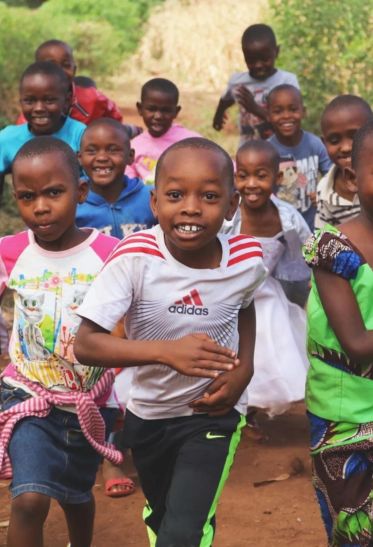
Tomorrow’s Hope will focus on working with orphanages with vocational projects that can contribute towards expensive school fees and nutritious meals for children living in these homes. International guidelines show that economic subsidies for education, access to nutrition, and strong child protection laws and enforcement contribute to better health outcomes for OVC. Tomorrow’s Hope narrows in on specific areas of need outlined by the orphanages they partner with to build capacity within the orphanage and engage the community to take part in the lives of the children living there to provide extra psychosocial support in the absence of family.
Community engagement comes in the form of tutoring and students receiving information for “catch up classes” when they are forced to miss school, local entrepreneurs holding afternoon workshops to help prepare older children for the workforce, and ensuring children are properly linked to resources in the community for GBV support, HTS services, youth friendly healthcare providers, and other service needs. In instances where service gaps are identified, Tomorrow’s Hope may seek to provide trainings and resources to meet areas of need in the community.
Additionally, OVC from the community will have access to trainings, workshops, and mentoring programs that may beheld at the orphanages. In some instances, orphanages will serve as a safe space where children are trained to be mentors and leaders among peers in their community and begin building social networks where they can turn to for support and health socialization. Tomorrow’s Hope will, always, only work in line with the needs and wishes of the orphanages and community that it is trying to serve. Interviews, focus group discussions, and needs assessments are completed before any project is implemented to ensure community ownership, sustainability, and better health outcomes for children.